First Steps After a Storm Damages a Tree
Assess the Situation From a Safe Distance
After the wind dies down and the rain stops, the first thing to do is look at the tree from a safe spot. Do not walk up to it right away. Storm damage can leave branches hanging by a thread or a trunk split in ways that are not obvious from the ground. A limb that looks stable might fall with a light breeze or a step too close.
Stay inside or on the far side of the yard if you can. Look for obvious signs: a trunk that has cracked open, a large limb that is now resting on the roof, or a tree that has uprooted and is leaning against another tree. If the tree is touching a power line, that is a different situation entirely, and you should call the utility company before doing anything else. Do not go near a tree that is in contact with a power line, even if you think the line is dead.
Check for Immediate Hazards
Once you have looked from a distance, the next step is to check for dangers that could hurt someone or cause more damage. Start with the ground around the tree. High winds can toss debris, and broken branches might be hidden under leaves or mud. Watch your step as you move closer. A fallen tree or a hanging limb can shift under its own weight, so never stand directly under a branch that is caught in another tree.
Look at the base of the tree. If the soil is pushed up on one side and the roots are exposed, the tree might be unstable. A split trunk is another red flag. If the crack runs deep into the main stem, the tree could come down in the next storm or even without one. A roof impact is a serious concern. If a large limb or the whole tree has hit the house, check inside for water or structural damage, but do not try to move the tree off the roof yourself. That kind of job calls for equipment and experience.
If the driveway is blocked, that is an inconvenience, but it is also a safety issue because emergency vehicles might need to get through. Clear small debris if you can, but leave the heavy lifting to professionals who know how to cut and remove a fallen tree without causing more damage.
Document the Damage for Insurance
Before you touch anything, take photos and video from several angles. Insurance companies want to see the full picture: the tree, the damage to the house or car, the debris on the lawn, and the condition of the surrounding area. Include shots that show the scale, like a person standing next to the fallen tree or the roof impact. This documentation helps when you file a claim, and it also gives the cleanup crew a clear idea of what they are dealing with.
Make notes of the time and date of the storm, and any weather reports that confirm the wind speeds. If a tree fell on a neighbor's property, your insurance and theirs might both be involved. Keep records of everything, including conversations with adjusters and contractors.
Prioritize What to Do First
Storm damage cleanup is not a one-size-fits-all task. You need to decide what to handle immediately and what can wait. Here is a sensible order of priorities:
- Address any hazard that threatens people or the house. That means taking care of a limb that is about to fall on a bedroom or a tree that is blocking the main entrance.
- Remove debris from walkways, driveways, and emergency access points. Even if the driveway is only partially blocked, clear a path so you can get in and out.
- Stabilize the tree if it is still standing but damaged. A split trunk or a hanging limb can be secured temporarily by a professional to prevent sudden failure.
- Clean up smaller branches and leaves that are scattered around the yard. This step can wait a day or two, but it helps prevent mold and pests.
- Plan for long-term tree care. A tree that lost a major limb might need pruning or cabling to stay healthy. That is a job for a later date.
When to Call a Professional
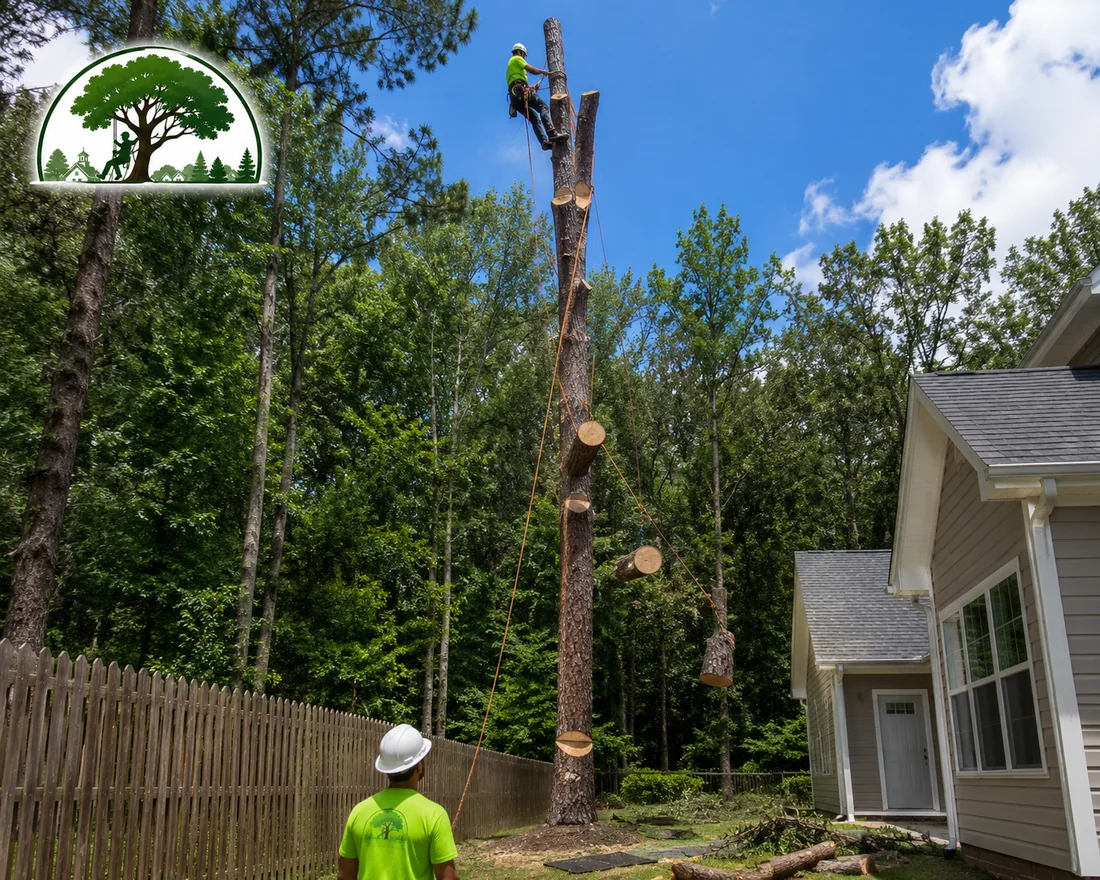
Some storm damage can be handled by a homeowner with a handsaw and a ladder, but a lot of it cannot. If the tree is large, if the damage is high up, or if the tree is leaning on a structure, it is time to call in help. A professional crew has the training and equipment to take down a damaged tree safely. They can also grind the stump afterward if you want the yard to be usable again.
If you are in the Dallas Georgia area, a local company like Tree Service Dallas GA can respond quickly after a storm. They handle tree removal, trimming, emergency storm response, stump grinding, and debris cleanup for homeowners. Having a number ready before the next storm hits saves time when every minute counts.
Work With Power Lines and Utilities
If a tree has brought down a power line or is touching one, do not go near it. Call the electric company and tell them the location. They will shut off power to that line and send a crew to clear the tree. Do not try to move a branch that is resting on a line, even if the line looks dead. Electricity can arc through wet wood or through the ground. The same goes for gas lines. If you smell gas after a storm, leave the area and call the gas company from a safe distance.
For trees that are near but not touching a line, a certified arborist or a tree service can often work around it, but they need to coordinate with the utility. That is another reason to leave this part of the job to the pros.
Site Stabilization After the Storm
Once the immediate hazards are gone, think about the site itself. A tree that has uprooted leaves a large hole in the ground. That hole can collect water and become a breeding ground for mosquitoes. It can also be a tripping hazard. Fill it in with topsoil once the tree and roots are removed. If the tree was holding up a slope, the soil might start to erode. In that case, you may need to plant grass or install a small retaining wall.
Stabilization also applies to the remaining trees on your property. A storm can weaken a tree even if it is still standing. Look for cracks in the bark, loose branches, or soil that has shifted around the base. A tree that seems fine now might fail in a moderate wind later. A professional can assess the health of your trees and recommend pruning or cabling to prevent future problems.
Cleanup and Debris Removal
Debris cleanup is the part of storm damage cleanup that takes the most time. Branches, leaves, and broken limbs can cover a large area. Start by sorting the debris into piles: one for small branches and leaves that can go in yard waste bags, one for larger limbs that need to be chipped, and one for the trunk if the tree came down. If you have a wood chipper, you can turn the smaller branches into mulch. The trunk can be cut into firewood lengths or hauled away.
Be careful with heavy pieces. A wet log is heavier than it looks, and lifting wrong can hurt your back. Use a wheelbarrow or a dolly to move large sections. If the debris is too much to handle, a tree service can bring in a crew and a truck to take it all away. That is often faster and safer than doing it yourself.
After the debris is gone, rake the area and look for nails, screws, or other metal pieces that might have been in the tree or blown in by the storm. These can damage a lawn mower or hurt someone walking barefoot later.
Plan for the Next Storm
Once the cleanup is done, take a look at the trees that survived. Are there dead branches that should have been trimmed? Is the tree growing too close to the house? A storm exposes weaknesses that you might not notice on a calm day. Use that information to schedule regular pruning or removal before the next big wind comes through.
A local tree service like Tree Service Dallas GA can help with that kind of preventive care. They know the local tree species and the weather patterns, so they can give advice that fits your property. Regular maintenance reduces the risk of major damage the next time a storm rolls through.
Storm damage cleanup is never fun, but taking the right steps in the right order makes it manageable. Stay safe, call for help when you need it, and give yourself time to get the yard back in shape.